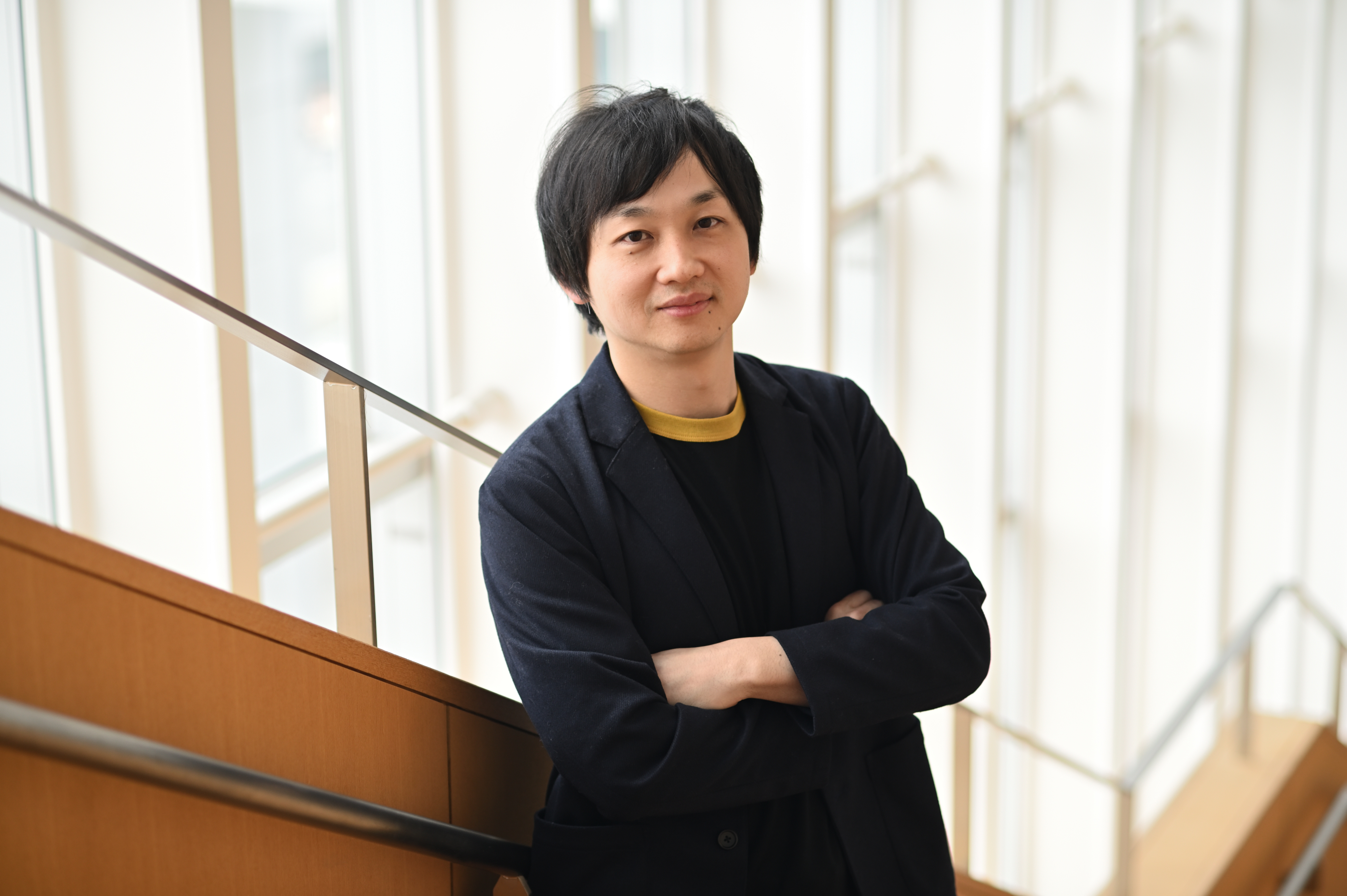
Professor Takanori Takebe, Premium Research Institute for Human Metaverse Medicine (WPI-PRIMe)
Epoch-making research: ever evolving with relentless curiosity and scientific inquiry
Professor Takanori Takebe is a globally recognized pioneer in life science. His work consistently challenges and redefines the boundaries of the field. Named to the 2026 TIME100 Health List of the World’s Most Influential Leaders in Health by TIME, his impact extends far beyond the laboratory. His journey of relentless innovation is guided by a simple yet powerful motto engraved on his laboratory’s website: commitment to “evolving, alleviating, and treating humanity today and the future.” This principle has propelled him from a groundbreaking discovery in his twenties to becoming a transformative figure in global health.
Organoids: miniature organs recreating human function
Professor Takebe first captured the world’s attention in 2013. At just 26 years old, he achieved a historic milestone: the world's first generation of a vascularized liver bud from human iPS cells, published in the prestigious journal Nature [1]. This was a true paradigm shift. At a time when regenerative medicine predominantly focused on producing single cell types, he envisioned a more direct path. His conviction stemmed from his experience as a medical resident, where he witnessed the profound limitations of medicine when faced with intractable diseases. For many patients, the only option doctors could offer was to transfer them to a care facility. This painful reality fueled his resolve to create not just cells, but functional, transplantable organs.
This initial breakthrough laid the foundation for his pioneering work with organoids, miniature, three-dimensional structures formed through the self-organization of stem cells grown in vitro. "The defining feature of organoids," Professor Takebe explains, "is that they express organ-level structure and functions that single cells alone cannot achieve independently." In his lab, these self-organizing structures, complete with blood vessels, neurons, and tissues, replicate features of human metabolism and immunity, opening new frontiers in medicine.
However, for Professor Takebe, innovation means constantly evolving. He and his colleagues at The University of Osaka’s Premium Research Institute for Human Metaverse Medicine (WPI-PRIMe) are advancing organoid technology for applications in preventive medicine. "We expose healthy organoids to stressors such as smoking or lifestyle-related factors, and observe their change in vitro, how they change," he says. "In essence, we are trying to create a human ‘digital twin’ and simulate an entire lifetime in a dish." This approach promises a future where it is possible to predict an individual’s disease risk based on interactions between genetic and environmental factors, shifting medicine from reactive treatment to preemptive prevention. He envisions a future in which every individual can harness and benefit from their own personalized healthcare - “My Medicine.”
A “phenomenon-first” scientist
His curiosity-driven approach, which he calls "phenomenon-first," often leads to unexpected and sometimes radical discoveries. A prime example is his research that revealed mammals can breathe through their intestines, a phenomenon known as “enteral respiration” [2]. Inspired by intestinal breathing in aquatic life, this work earned him the 2024 Ig Nobel Prize. While the prize celebrates research that first makes people laugh, then think, the underlying science is serious. His team is now working toward its practical application as a novel form of respiratory support, demonstrating how unconventional thinking can yield world-changing innovations. This work led him to be named to 2026 TIME100 Health List, which spotlights the 100 most influential leaders in global health.
From laboratory breakthrough to societal impact
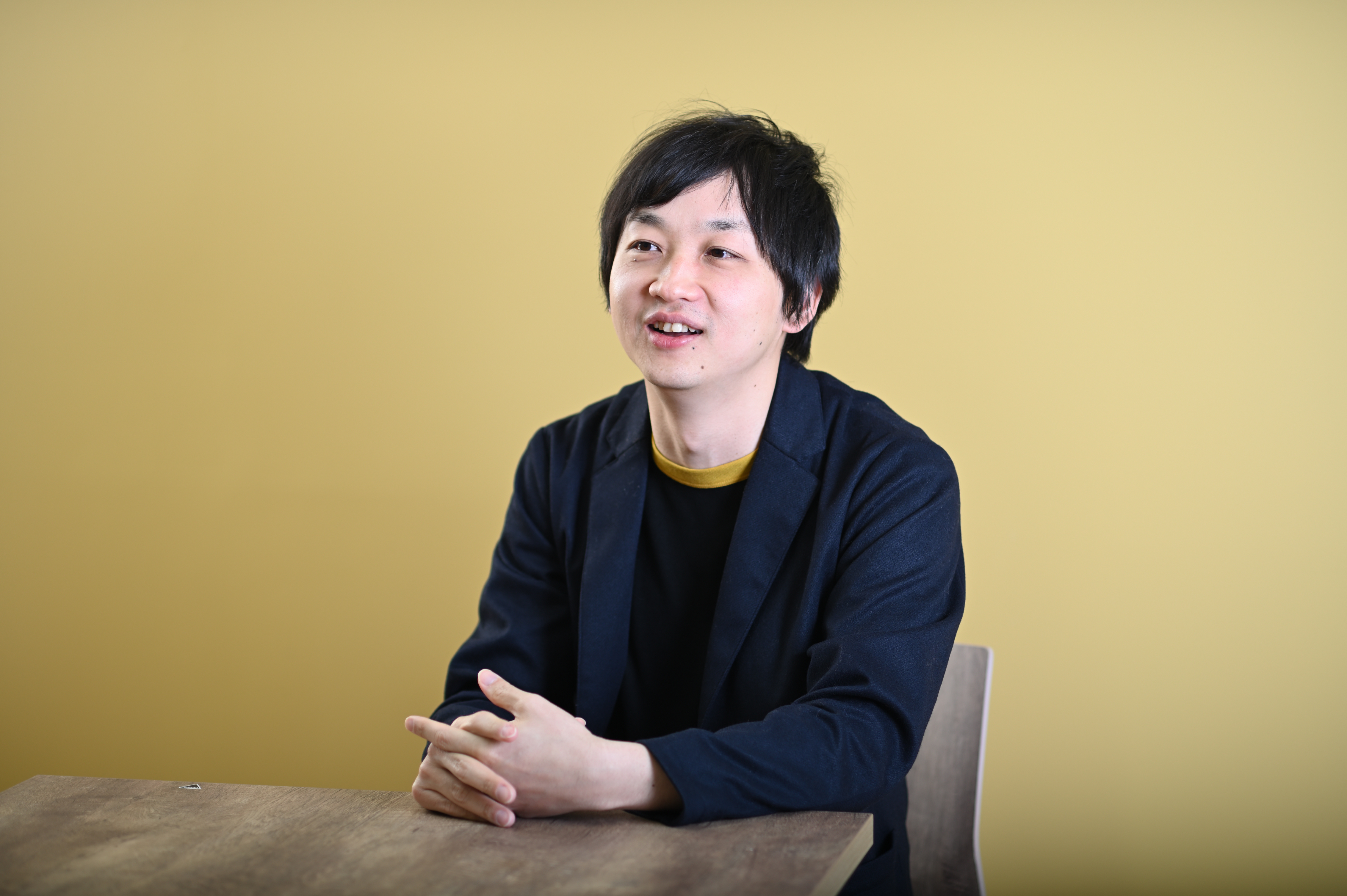
Professor Takebe’s vision extends beyond developing technologies to transforming the very framework of healthcare. He observes that while medicine has excelled at treating acute diseases for millennia, it struggles with the rise of chronic conditions in aging societies. "Medicine must move beyond categorizing people by disease names," he asserts, "and instead provide care aligned with each individual’s unique circumstances and perspectives." To achieve this, he proposes “Street Medical,” a concept that aims to integrate healthcare seamlessly into everyday life, moving it beyond the confines of hospitals.
To translate these ambitious ideas into real-world impact, Professor Takebe emphasizes "partners with people." He understands that scientific discovery is only the first step. "The innovative technologies we researchers develop are like supercars," he explains. "No matter how advanced, they lack versatility." Recognizing this, he launches startups when his research matures, effectively passing the baton to professionals in business and manufacturing who can turn his "supercar" into a practical, widely accessible "family car" for society. "I learned the importance of this through several failures," he admits, highlighting a pragmatism that complements his visionary science.
From creating organoids to discovering intestinal breathing, and from designing bio-digital twins to conceptualizing Street Medical, Professor Takanori Takebe embodies the spirit of ever-evolving inquiry. He is more than a researcher; he is an architect of the future of medicine, fundamentally redefining its foundations to build a healthier, more humane world.
[1] Takebe, T., Sekine, K., Enomura, M. et al. Vascularized and functional human liver from an iPSC-derived organ bud transplant. Nature 499, 481–484 (2013). https://doi.org/10.1038/nature12271
[2] Fujii, T., Kurihara, Y., Tagawa, Y., Nagai, H., Yokota, C., Mizuo, H., Takebe, T. Safety and tolerability of intrarectal perfluorodecalin for enteral ventilation in a first-in-human trial. Med 6(12), 100887 (2025). https://doi.org/10.1016/j.medj.2025.100887
Further information: https://takebelab.com/research/